
Community
North Texas man dead following auto-bicyclist accident, police say
By Laura Martinez
Advertisement · Why this ad?
Diana, a passionate young reporter, has been covering community activism for 4 years since graduating from Texas State University. She has a strong background in social issues and previously contributed to local online platforms that focused on cultural storytelling and grassroots reporting.
More from Diana →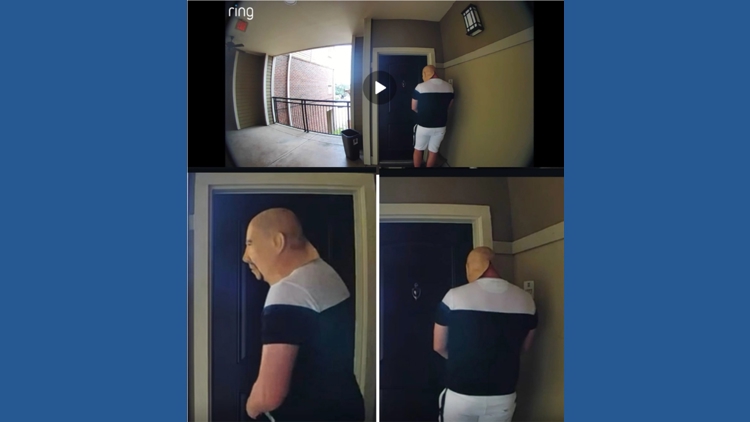
In a chilling reminder of how far obsession can reach, a recent case has unfolded in Fort Worth that highlights the dangers of stalking in our communities. Imagine a young woman, living her life in peace, only to find herself the target of relentless harassment from a former coworker. This nightmare became a reality for one woman as authorities arrested Nikolay Sapov, a Canadian national, who now faces federal charges for stalking her across state lines.
Nikolay Sapov, 35, was indicted in a federal court in Texas for stalking a former coworker, a case that began in Canada and stretched across multiple states. The indictment details how Sapov allegedly followed the victim from Canada to Florida and eventually to Texas. The stalking escalated to a point where he was nearly apprehended just outside her apartment in Fort Worth, a moment that could have ended tragically.
The case highlights the serious nature of stalking, which can often escalate from mere obsession to dangerous behavior. According to the National Center for Victims of Crime, stalking is a crime that affects millions of Americans each year, with victims often feeling powerless and trapped. Sapov's actions are a stark reminder of the emotional toll such harassment can take on individuals and families.
Authorities were alerted when the victim reported Sapov's behavior, prompting an investigation that traced his movements across state lines. The indictment states that he used various means to track her down, showcasing a disturbing level of obsession that led him to pursue her relentlessly. This case serves as a wake-up call for communities to remain vigilant against such predatory behaviors.
The news of Sapov's indictment has sparked conversations among residents in Fort Worth about the prevalence of stalking and the need for stronger protective measures. Local organizations, such as the Fort Worth Police Department, are emphasizing the importance of reporting suspicious behavior and supporting victims of stalking.
Many community members expressed their concern and solidarity with the victim. A Fort Worth resident, Maria Gonzalez, shared her thoughts: "It's terrifying to think that someone could follow you like that. We need to look out for one another and ensure that our neighborhoods are safe spaces for everyone." This sentiment resonates deeply in a city known for its close-knit communities and commitment to family values.
Local businesses are also getting involved, with some offering resources and support for victims of stalking. For instance, a local café has started a campaign encouraging patrons to learn about the signs of stalking and how to help those in need. Owner Jake Thompson stated, "We want our customers to feel safe and supported. If we can make a difference, even in small ways, we are willing to do it." This community-driven approach emphasizes the collective responsibility to address such issues.
Stalking is not just a personal issue; it’s a community concern. The National Sexual Violence Resource Center defines stalking as a pattern of behavior directed at a specific person that would cause a reasonable person to feel fear. The psychological impact on victims can be profound, often leading to anxiety, depression, and a sense of isolation.
In Fort Worth, local advocacy groups are working tirelessly to educate the public about the signs of stalking and how to seek help. Organizations like the Texas Council on Family Violence provide resources for victims, ensuring they have access to legal support and counseling services. The community is coming together to foster a culture of awareness and support, emphasizing that no one should have to endure such fear alone.
Additionally, educational workshops are being organized in community centers to teach individuals about the legal definitions of stalking and the resources available to victims. These workshops aim to empower individuals with knowledge, enabling them to recognize the signs of stalking and take appropriate action.
The legal ramifications of stalking can be severe, with federal charges carrying significant penalties. In the case of Nikolay Sapov, if convicted, he could face up to five years in prison. This underscores the seriousness with which authorities treat stalking offenses, recognizing the potential for escalation and the need to protect victims.
Federal prosecutors are taking a strong stance in this case, aiming to send a message that stalking will not be tolerated. The Department of Justice has made it clear that they are committed to enforcing laws that protect individuals from harassment and intimidation. This case serves as a crucial example of how the legal system can intervene to safeguard victims and hold perpetrators accountable.
Moreover, legal experts emphasize the importance of documenting incidents of stalking. Having a comprehensive record can significantly impact the outcome of a case, providing authorities with the necessary evidence to take action. Community legal clinics are stepping up to provide free consultations for victims, ensuring they understand their rights and options.
As the case unfolds, it is vital for the community to rally around the victim and others affected by stalking. Support networks play a crucial role in helping individuals navigate the emotional and legal challenges that arise from such experiences. Organizations like the Rape, Abuse & Incest National Network (RAINN) offer confidential support and resources for victims, emphasizing the importance of speaking out and seeking help.
Victims of stalking often feel isolated and fearful, but community support can make a world of difference. Local churches and community centers are stepping up to provide safe spaces for individuals to share their stories and find solace among others who understand their plight. This collective effort fosters resilience and hope, reminding victims that they are not alone in their struggles.
Furthermore, mental health professionals in Fort Worth are offering specialized counseling services for stalking victims, recognizing the unique trauma they endure. These services aim to help victims rebuild their lives, instilling a sense of safety and empowerment. The community is coming together to ensure that healing is possible, and that victims can reclaim their lives.
Looking forward, the case against Nikolay Sapov will proceed through the federal court system, with hearings scheduled in the coming months. The outcome will not only impact the victim but also serve as a benchmark for how stalking cases are handled in the future.
Community leaders are hopeful that this case will inspire more individuals to come forward and report stalking incidents. By raising awareness and encouraging open conversations about the issue, Fort Worth can work towards creating a safer environment for everyone. As we reflect on this case, let us remember the importance of standing together as a community, supporting those in need, and fostering a culture of respect and safety.
In the face of adversity, the strength of a community lies in its ability to uplift and protect its members. Together, we can combat the shadows of stalking and ensure that every individual can live without fear.
By Laura Martinez

By Diana Reyes

By Diana Reyes
By Diana Reyes