Sports
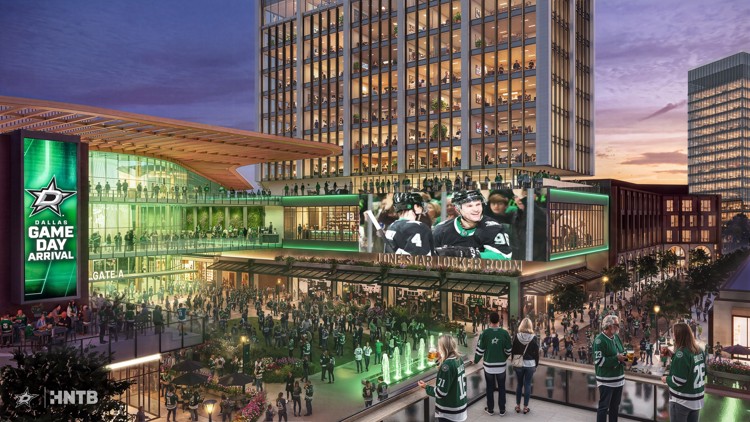
Texas election result: Plano voters make decision on referendum for new Dallas Stars Arena
By Tanya Nguyen
Advertisement · Why this ad?
Tanya, a 28-year-old sports reporter, has been covering high school athletics for over 5 years after graduating from Texas A&M University. She began her career at a local NPR affiliate, where she developed a passion for spotlighting youth sports and the impact they have on community engagement in Fort Worth.
More from Tanya →
Under the bright Texas sun, the iconic Colonial Country Club stands as a testament to Fort Worth’s rich golfing heritage, where generations have cheered on legends like Ben Hogan. Yet, a shadow looms over this historic site, as the club faces the potential loss of its most treasured event—the PGA Tour’s annual tournament, which has been a cornerstone of local sports and community pride for over 80 years. The news has sent ripples through the Fort Worth community, stirring feelings of nostalgia and concern for the future of this beloved course.
Starting in 2028, the PGA Tour plans to implement a new two-tiered model designed to reshape professional golf, emphasizing increased competition and financial sustainability. However, this shift could mean the end of the Colonial Invitational, a tournament that has been held at Colonial Country Club since 1946. The tour’s restructuring aims to create a more dynamic schedule, but critics argue it risks alienating historic venues that have long been an integral part of the tour’s identity.
According to sources close to the PGA Tour, the new format prioritizes events that can generate higher viewership and sponsorship revenue, potentially sidelining traditional stops like Colonial. While the tour has yet to make an official announcement about the future of the Fort Worth event, industry insiders warn that the historic course might not fit into the new model’s criteria, prompting fears of its possible exclusion.
For the residents and golf enthusiasts of Fort Worth, the potential loss of the Colonial tournament feels personal. Many see it as more than a sporting event—it's a cultural touchstone that symbolizes the city’s deep roots in American golf history. Local businesses, from restaurants to hotels, rely heavily on the influx of visitors during tournament week. The community has rallied to voice their support for keeping the event alive, organizing petitions and community meetings to discuss how Fort Worth can advocate for its historic course.
“This tournament isn’t just about golf; it’s about our city’s identity,” says longtime resident and golf fan Mark Davis. “Losing it would be like losing a piece of our history.” Local business owner Sarah Nguyen echoes these sentiments, noting how the event brings economic vitality to the area. “We’ve seen generations grow up watching the tournament, and it’s a tradition that unites families and communities,” she adds.
Established in 1936, Colonial Country Club has long been a symbol of Fort Worth’s commitment to golf and community. The course itself is a masterpiece of design, featuring challenging fairways and scenic landscapes that have hosted countless tournaments and events over the decades. Ben Hogan, one of golf’s greatest legends, is forever linked to Colonial—his statue stands proudly near the clubhouse, celebrating his legacy and the club’s storied past.
This tournament has not only been a sporting event but a gathering point for local families, golf legends, and aspiring players alike. It has helped foster a sense of community pride and identity, especially in a city that values tradition and resilience. Many longtime residents recall attending the tournament with their parents and grandparents, passing down stories of iconic shots and unforgettable moments on the course.
As the PGA Tour finalizes its plans for 2028, Fort Worth officials and community leaders are exploring avenues to preserve the tournament’s legacy. Discussions include potential negotiations with the tour to maintain a spot for Colonial, leveraging the course’s historic significance and community support. The city’s Parks and Recreation Department has also proposed initiatives to enhance the course’s appeal, emphasizing its cultural importance and role in promoting healthy, active lifestyles.
In addition to local government efforts, community organizations and golf advocates are mobilizing. The Fort Worth Golf Association has scheduled meetings with tour officials, aiming to demonstrate the tournament’s value beyond just economic impact—highlighting its historical and cultural significance to the city and the sport.
Grassroots campaigns are gaining momentum, with residents and local businesses banding together to push for a solution. Petitions have garnered thousands of signatures, and social media campaigns hashtagged #SaveColonial are trending among local and national golf fans. Community leaders are also considering hosting fundraising events to demonstrate the city’s commitment to maintaining its place on the professional golf map.
Meanwhile, some community members are exploring alternative ideas, such as hosting a new tournament or series of events that honor Colonial’s legacy while fitting into the new PGA Tour structure. These efforts aim to keep the spirit of the tournament alive, even if the official PGA event moves elsewhere or is restructured in a way that diminishes its traditional format.
The potential loss of the Colonial tournament is more than just a change in the golf calendar; it touches on the identity and economic fabric of Fort Worth. The tournament’s presence boosts local businesses, from hotels and restaurants to retail shops. It also attracts visitors from across the country and abroad, showcasing Fort Worth’s hospitality and charm to a global audience.
Furthermore, the event’s history is intertwined with the city’s narrative—embodying resilience, tradition, and community spirit. For many residents, Colonial represents a link to their heritage and a symbol of Fort Worth’s place in American golf history. The tournament has inspired countless young golfers in the region, many of whom see it as a dream to one day compete on the same course where legends like Hogan, Byron Nelson, and Ben Crenshaw once played.
Looking ahead, the city government and local stakeholders are preparing for a series of discussions and negotiations with the PGA Tour. They hope to secure a compromise that preserves Colonial’s tournament status or at least ensures a similar event continues to be held at the course. The city is also exploring funding opportunities and partnerships to upgrade the course and enhance its appeal as a premier sporting venue.
Additionally, community groups are planning public forums and outreach campaigns to keep the conversation alive and ensure residents’ voices are heard. The goal is to demonstrate that Colonial’s tournament is not just a local event but a vital part of the national golf landscape and Fort Worth’s cultural identity.
In the coming months, all eyes will be on the PGA Tour’s official decisions and whether Fort Worth’s historic course will retain its place on the professional golf calendar. The community remains hopeful that through dialogue, advocacy, and a shared love for the game, Colonial will continue to host legendary moments for generations to come.
Fort Worth’s story is one of perseverance and community spirit, and the potential loss of the Colonial tournament challenges us to rally around what truly matters: our families, our faith, and our shared history. Whether through negotiations or new traditions, the hope remains that this iconic course will continue to inspire generations to come, celebrating the American dream built on hard work, dedication, and faith in community.
By Tanya Nguyen
By Tanya Nguyen

By Tanya Nguyen
By Tanya Nguyen