Community
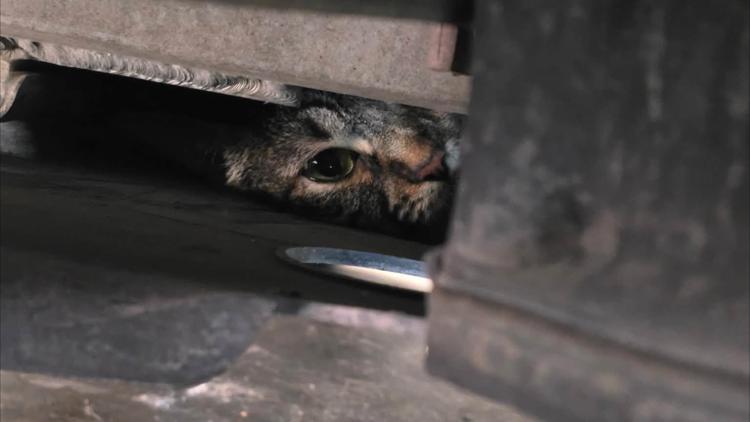
Cat rescued from Tesla in Lewisville after family heard meowing beneath vehicle
By Eli McBride
Advertisement · Why this ad?
Diana, a passionate young reporter, has been covering community activism for 4 years since graduating from Texas State University. She has a strong background in social issues and previously contributed to local online platforms that focused on cultural storytelling and grassroots reporting.
More from Diana →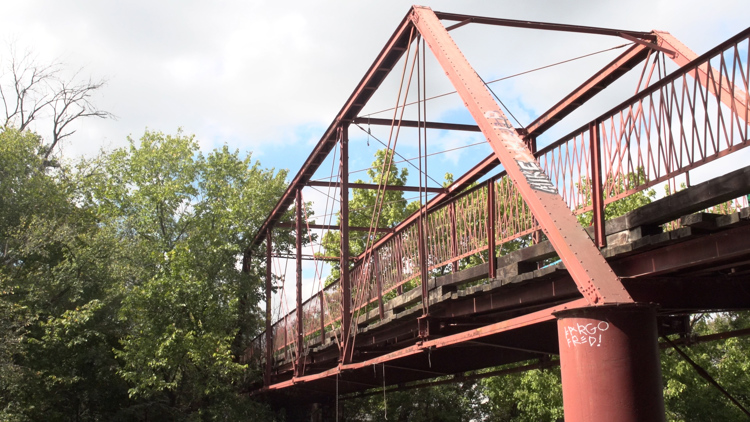
In the heart of Denton, a bridge stands as a silent witness to the tales of fear and folklore that have captured the imaginations of many. Goatman's Bridge, shrouded in mystery, reflects not just a haunting urban legend but the deep-seated fears and hopes of a community seeking to understand its past. While the eerie tales of a horned creature lurking beneath its arches have captivated generations, the true story woven into the very iron and timber of the Old Alton Bridge speaks to a much more profound and heartbreaking reality.
No evidence exists to support the fantastical stories of a 'Goatman,' but the truth it represents is all too real. Officially known as the Old Alton Bridge, this historic iron truss bridge, constructed in 1884, was once a vital artery connecting Denton to the burgeoning community of Copper Canyon. Its sturdy design, a testament to 19th-century engineering, has withstood over a century of North Texas weather and traffic, now serving as a pedestrian and equestrian crossing within the serene Ray Roberts Lake State Park system.
Yet, beneath its weathered beams lies a narrative far more chilling than any ghost story. Local historians and community elders point to a tragic period in Denton County's past, specifically the late 1930s, when racial tensions ran high. It is believed that the legend of the 'Goatman' originated from the horrific fate of Oscar Washburn, a respected African American goat farmer who lived near the bridge. In 1938, Washburn, known for his industrious spirit and the quality of his livestock, was reportedly ambushed by a group of local Klansmen. He was lynched near the bridge, his body weighted and thrown into the creek below, a brutal act of injustice that left an indelible scar on the community.
This unspeakable act, though often whispered rather than openly discussed for decades, became the dark undercurrent of the Goatman legend. The fantastical elements of a half-man, half-goat creature are thought to be a distorted, perhaps even subconscious, way for the community to grapple with the true horror of what transpired. It’s a classic example of how folklore can evolve, masking painful historical truths with supernatural narratives, making them easier to tell but no less impactful.
For many years, the legend served as a thrilling, albeit superficial, draw for teenagers and paranormal enthusiasts. However, a growing movement within Denton has sought to peel back the layers of myth to reveal the human tragedy beneath. "My grandpappy used to tell me stories about the bridge," recounts 87-year-old local resident Arthur Jenkins, his eyes distant, "but it wasn't the Goatman he feared, it was the darkness in men's hearts. He always said we needed to remember the real story, not just the spooky one."
This sentiment is echoed by Dr. Eleanor Vance, a historian at the University of North Texas, who has dedicated years to researching local history. "The legend of the Goatman, while fantastical, serves as a distorted mirror reflecting a painful chapter of our county's past," Dr. Vance explains. "It's a testament to the power of oral tradition, but also a call to action for us to confront and learn from historical injustices, ensuring such tragedies are never repeated." Efforts by the Denton County Office of History and Culture have been instrumental in documenting and preserving these difficult narratives.
The Old Alton Bridge itself is more than just a site of legend; it's a registered National Register of Historic Places landmark, recognized for its architectural significance. In recent years, local preservation societies, in conjunction with the Texas Historical Commission, have secured over $500,000 in grants for its ongoing maintenance and interpretive signage. These efforts are not just about preserving a structure; they are about honoring the full spectrum of its history, both the good and the tragic.
Community leaders emphasize that understanding this history is crucial for fostering a stronger, more unified Denton. "We must remember the real history, not just the ghost stories, to truly heal and move forward," states Reverend Michael Thompson of First Baptist Church Denton. "Our faith teaches us the importance of truth and reconciliation, and that includes acknowledging the pain of the past so we can build a future founded on justice and compassion for all our families." This commitment to truth and reconciliation, often rooted in the enduring faith and strong family bonds that characterize our community, ensures that the lessons of the past are not forgotten by future generations.
While Goatman's Bridge is geographically in Denton, its legend echoes a darker truth about historical injustices that resonate across all of North Texas, including our beloved Fort Worth. For new residents, understanding this story isn't just about local lore; it's about grasping the complex tapestry of our region's development. The Texas State Historical Association provides extensive resources on similar events across the state, highlighting how communities have grappled with their own difficult pasts.
The stories of places like Old Alton Bridge serve as powerful reminders that history is not always comfortable, but it is always essential. By confronting these narratives, we strengthen our collective resolve to uphold the values of equality and respect that are foundational to the American dream of stable, loving households and thriving communities. The NAACP and other civil rights organizations have long championed the importance of remembering and learning from such historical events to prevent their recurrence.
The Old Alton Bridge stands today not just as a relic of the past, but as a living monument to the community's journey towards understanding and healing. Local residents share their personal encounters and stories related to the bridge, revealing how these tales have shaped their identities, moving from simple fear to a deeper appreciation of historical context. An elderly man recounting his childhood adventures near the bridge now weaves nostalgia with the thrill of ghost stories, but always with a solemn nod to the true weight of its history.
This legend resonates deeply within Denton, serving as a focal point for community gatherings and discussions about local history. It challenges residents to confront their fears while also fostering a sense of unity as they explore their shared narratives. The annual "Bridge of Remembrance" event, organized by local churches and historical groups, brings together families from across the county to reflect on the bridge's history, offering prayers and fostering dialogue about racial harmony and community strength.
The story of Goatman's Bridge navigates the tension between fear and curiosity, ultimately highlighting the community's resilience in embracing its complex history. It reminds us that while urban legends can entertain, the real stories of human experience—of injustice, resilience, and the enduring quest for truth—are far more impactful. As the sun sets behind Goatman's Bridge, casting long shadows on the water, the community stands united, ready to face the stories that bind them together and the truths that lie beneath, committed to building a future where every family feels safe and valued.
For those interested in learning more about bridge preservation or local historical markers, resources are available through the Texas Department of Transportation and the State of Texas official website. Further insights into the nature of folklore and its connection to societal anxieties can be found through organizations like the American Folklore Society, which studies how such narratives shape our collective consciousness.
By Eli McBride
By Diana Reyes

By Diana Reyes

By Nia Johnson