
Community
How to watch live Texas midterm election results, reaction, analysis on WFAA
By Diana Reyes
Advertisement · Why this ad?
Diana, a passionate young reporter, has been covering community activism for 4 years since graduating from Texas State University. She has a strong background in social issues and previously contributed to local online platforms that focused on cultural storytelling and grassroots reporting.
More from Diana →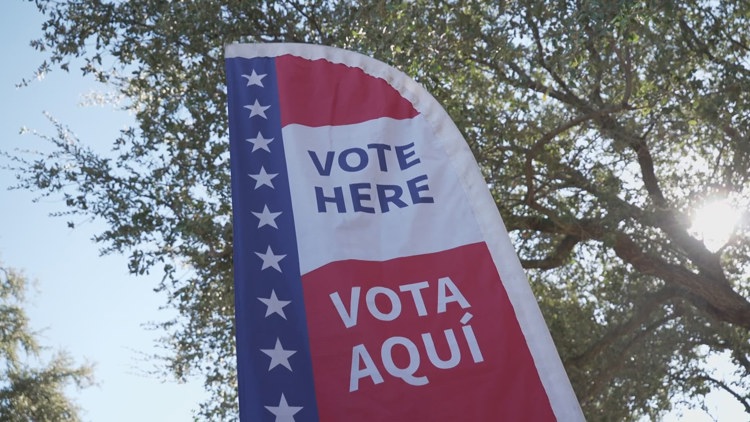
As the sun dipped below the horizon on a brisk autumn evening in Fort Worth, a line of eager voters snaked around the block outside the local polling station. The air buzzed with anticipation and hope as families, friends, and neighbors came together to cast their ballots, embodying the spirit of democracy. This scene was replicated across Texas, where more than 7.4 million residents participated in early voting for the midterm elections, a testament to the power of civic engagement.
In North Texas alone, approximately 1.7 million people took advantage of the early voting period, which ran from October 24 to November 4, 2022. This surge in participation reflects a growing trend among Texans who are increasingly motivated to make their voices heard. The Texas Secretary of State's office reported that early voting in the state saw a dramatic increase compared to previous elections, highlighting a rising awareness of the importance of each vote.
Election officials noted that the early voting process was smooth, with many locations extending their hours to accommodate the influx of voters. The enthusiasm was palpable, with voters of all ages showing up to fulfill their civic duty. This year, the state implemented several measures to improve accessibility, ensuring that those with disabilities and language barriers could participate without hindrance.
The midterm elections are crucial in shaping the future of Texas and the nation. With issues like education, healthcare, and public safety at the forefront of voters' minds, the increased turnout signals a community ready to engage in meaningful dialogue about their needs and aspirations. For many, voting is not just a right but a responsibility, one that echoes the values of family and community commitment.
In Fort Worth, local organizations worked tirelessly to inform and mobilize voters, emphasizing the significance of early voting. Groups like the Fort Worth Chamber of Commerce and various grassroots initiatives played pivotal roles in ensuring that residents were aware of their voting options. Their efforts reflect a collective understanding that engaged citizens can drive positive change.
Local businesses also joined the effort, with many offering incentives to employees who participated in early voting. Coffee shops provided free drinks to voters, and restaurants offered discounts on meals for those who showed their voter registration cards. This community-wide push to increase voter turnout not only fostered a sense of camaraderie but also highlighted the importance of civic duty in everyday life.
As I spoke with voters outside the polling station, their stories resonated with a common theme: a desire for a better future. Maria Gonzalez, a mother of three, expressed her determination to ensure her children grow up in a community that values education and opportunity. "I want my kids to have the best, and that starts with us making our voices heard today," she said, her eyes shining with conviction.
Similarly, James Thompson, a retired veteran, shared his perspective on the importance of voting. "I fought for this country, and the least I can do is make my voice count. Every election matters, and we need to show up for our families and our future," he remarked, embodying the spirit of service that many Texans hold dear.
Many voters, like Maria and James, also expressed concerns about issues that directly affect their neighborhoods. For instance, Maria highlighted the need for better funding for local schools, while James pointed to the importance of veteran services in the community. These personal anecdotes underscore the connection between individual experiences and broader political issues, reinforcing why civic engagement is so crucial.
Despite the excitement surrounding early voting, challenges remain. Some voters faced obstacles such as long lines and technical issues at polling locations. However, these hurdles did not deter the resolve of the community. Election officials worked diligently to address concerns, ensuring that every individual had the opportunity to cast their vote.
Moreover, the commitment of local volunteers was instrumental in navigating these challenges. Many stepped up to assist voters, providing information and support to those in need. Their dedication exemplifies the strength of community bonds in Fort Worth, where neighbors help neighbors, embodying the very essence of what it means to be a part of this vibrant city.
Community leaders organized training sessions for volunteers to equip them with the necessary knowledge about voting procedures, ensuring they could effectively assist others. This proactive approach also fostered a spirit of unity, as people from diverse backgrounds came together to support a common purpose.
As the midterm elections approached, the momentum built during early voting set the stage for a historic turnout. With the final results still pending, the impact of this engaged electorate will undoubtedly shape the future of Texas. The lessons learned from this election cycle will pave the way for continued civic involvement in future elections.
In Fort Worth, the community's commitment to voting is a reflection of its values—strong families, authentic faith, and the belief in the American dream. As residents continue to advocate for their needs and aspirations, the hope is that this spirit of engagement will endure, fostering a culture of participation that strengthens the fabric of our society.
For those who may have missed the early voting period, the upcoming Election Day offers another opportunity to make a difference. Resources are available through the Vote Texas website, where residents can find information on polling locations and voting requirements.
As we reflect on the turnout for the midterm elections, it's essential to consider what this means for the future of civic engagement in Texas. The active participation seen during early voting is a clear indication that Texans are not only interested in the outcomes of elections but are also willing to take the necessary steps to ensure their voices are heard. This trend could lead to a more informed and engaged electorate in future elections, fostering discussions around critical issues affecting the community.
Local organizations are already planning initiatives to sustain this momentum, including voter education programs and community forums that encourage dialogue about pressing issues. By creating spaces for residents to share their concerns and ideas, these initiatives aim to strengthen community ties and promote a culture of active citizenship.
By Diana Reyes

By Diana Reyes
By Laura Martinez

By Diana Reyes