Community
Two people dead, baby in critical condition after what police say was murder-suicide in northwest Houston
By Diana Reyes
Advertisement · Why this ad?
Laura has over 15 years of experience in local journalism, with a focus on community issues and grassroots movements. She graduated from the University of Texas at Arlington and previously worked at the Fort Worth Star-Telegram, where she led significant stories on community development and social justice. Laura is deeply rooted in Fort Worth and is known for her ability to connect with residents and amplify their voices.
More from Laura →
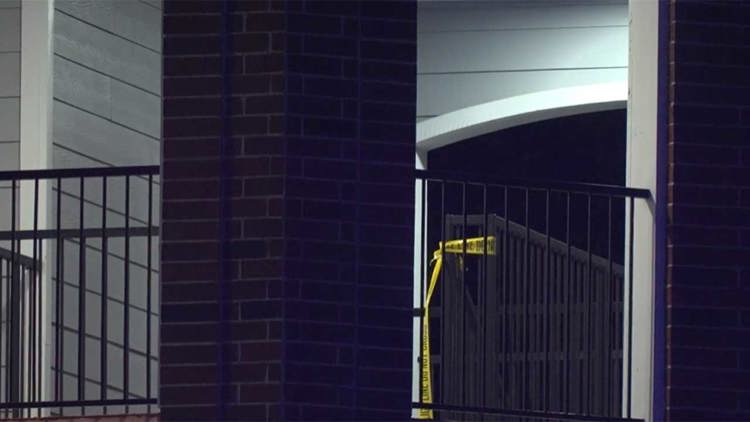
On a cool autumn evening, the vibrant sounds of West Dallas filled the air as families gathered for a community event, laughter mingling with the scent of barbecue wafting from nearby food trucks. Just a few blocks away, however, a tragic scene was unfolding that would shake the neighborhood to its core. A North Texas man, known to many, fell victim to a senseless act of violence, leaving behind a community grappling with grief and disbelief.
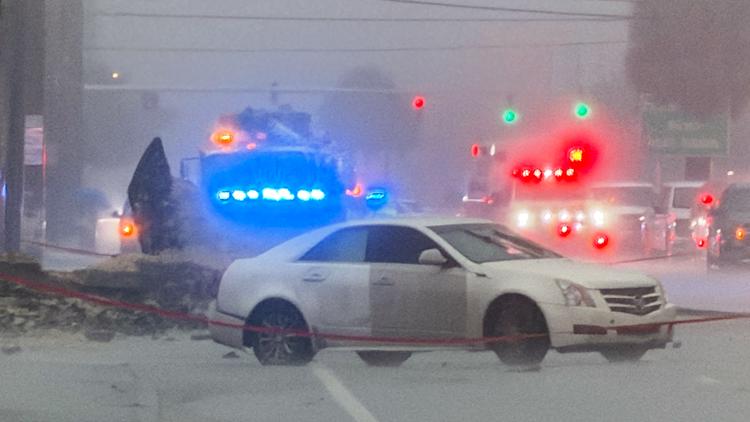
According to the Dallas Police Department, the shooting occurred late in the evening on a seemingly ordinary day. The victim, a 32-year-old man whose name has not been released pending family notification, was shot by a known suspect who fled the scene before officers arrived. The chaos that ensued left witnesses in shock, as the vibrant atmosphere of the evening turned to one of fear and uncertainty.
This tragic incident highlights the growing concerns surrounding gun violence in our communities. With the rise in such incidents, many residents are left wondering how to ensure their safety and that of their loved ones. The police have confirmed that they are actively investigating the shooting, seeking to bring justice to the victim’s family and restore peace to the neighborhood.
The news of the shooting spread quickly through West Dallas, igniting conversations about safety and the need for stronger community ties. Residents expressed their shock and sorrow, many sharing fond memories of the victim and the impact he had on their lives. “He was always there to lend a helping hand,” one neighbor recalled, tears welling in her eyes. “It’s hard to believe something like this could happen here.”
As the community processes this tragedy, local leaders are stepping up to address the rising tide of violence. Council members and community organizers have scheduled meetings to discuss safety measures and support for families affected by gun violence. “We cannot let fear take over our lives,” said a community activist. “We must come together, support one another, and work towards solutions that will keep our neighborhoods safe.”
In the wake of this tragedy, the community has come together to grieve and support one another. Candlelight vigils have been organized, drawing neighbors and friends who share stories of the victim, lighting candles, and offering prayers for peace. “This is not just a loss for one family; it’s a loss for all of us,” said a longtime resident who attended one of the vigils. “We need to show that we stand together in times like these.”
As they unite in grief, they also seek to honor the memory of the victim by advocating for change. Local artists have begun to create murals and art installations in his memory, transforming spaces that once felt unsafe into symbols of hope and resilience. One artist, who knew the victim personally, stated, “Art can heal. We want to turn this pain into something beautiful that reminds everyone of the love and kindness he shared.”
This incident is not isolated; it reflects a troubling trend that has been affecting many urban areas, including Dallas. The city has seen an increase in violent crime, prompting discussions among law enforcement and community leaders about the root causes and potential solutions. Factors such as economic disparity, lack of access to education, and the ongoing effects of the pandemic have all contributed to a rise in violence.
According to recent statistics from the Dallas Police Department, violent crime rates have surged in certain neighborhoods, causing alarm among residents. Community organizers are advocating for programs that foster education, job training, and mental health support as essential steps toward addressing these underlying issues.
In response to the growing violence, grassroots organizations are mobilizing to create a safer environment. Initiatives such as neighborhood watch programs are being discussed, encouraging residents to look out for one another and report suspicious activities. Additionally, workshops on conflict resolution and de-escalation techniques are being planned to equip community members with tools to handle disputes without resorting to violence.
Local schools are also getting involved, with educators emphasizing social-emotional learning to help students navigate their feelings and build resilience. “We want to teach our kids that there are better ways to solve problems,” said a school counselor. “By fostering empathy and understanding, we can create a culture of peace.”
The impact of gun violence goes beyond the immediate tragedy; it reverberates through families and the entire community. For those left behind, the emotional toll can be overwhelming. Families often find themselves navigating grief while also facing financial hardships, especially if the victim was a primary breadwinner. Local organizations, such as The Dallas Foundation, are stepping in to provide support and resources for affected families, helping them cope with the aftermath of such devastating events.
As neighbors rally around the victim's family, they are reminded of the importance of strong familial bonds and community support. Many families are coming together to ensure that no one feels alone during this difficult time. In the face of tragedy, the resilience of the human spirit shines through, as families find strength in one another.
The long-term consequences of such violence can lead to a cycle of trauma that affects not just the immediate family but the entire community. Children who witness violence may struggle with anxiety, depression, and trust issues, leading to further challenges in their development. Community leaders are emphasizing the need for ongoing mental health support to help those affected heal and rebuild their lives.
Support groups are being formed, allowing individuals to share their experiences and feelings in a safe environment. “It’s important for people to know they’re not alone in this,” said a local therapist who is facilitating these groups. “We need to create spaces where healing can happen.”
In the wake of this tragic event, the community is determined to take action. Local leaders are calling for increased police presence and community engagement initiatives aimed at preventing future violence. “We need to be proactive,” one council member stated. “It’s not just about responding to incidents; it’s about creating an environment where our families can thrive without fear.”
As discussions unfold, many residents are hopeful that meaningful changes will come from this tragedy. They envision a future where children can play safely in their neighborhoods, where families can gather without the shadow of violence looming overhead. The path forward will require commitment and collaboration from all corners of the community.
In the coming weeks, community meetings will be held to discuss safety strategies, and residents are encouraged to participate. “We need everyone’s voice to be heard,” a local organizer emphasized. “Together, we can make a difference.”
As the community moves forward, there is a growing sense of hope that through unity and resilience, they can transform their grief into action, ensuring that their neighborhoods remain vibrant and safe for generations to come.
By Diana Reyes
By Laura Martinez
By Diana Reyes
By Diana Reyes