Schools
Six Dallas ISD schools potentially face closure amid budget deficit and low enrollment
By Laura Martinez
Advertisement · Why this ad?
A recent graduate from the University of North Texas, Sofia has quickly made a name for herself in reporting on cultural events and festivals in Fort Worth. With a background in art history, she brings a unique perspective to her coverage, exploring the intersection of culture and community development.
More from Sofia →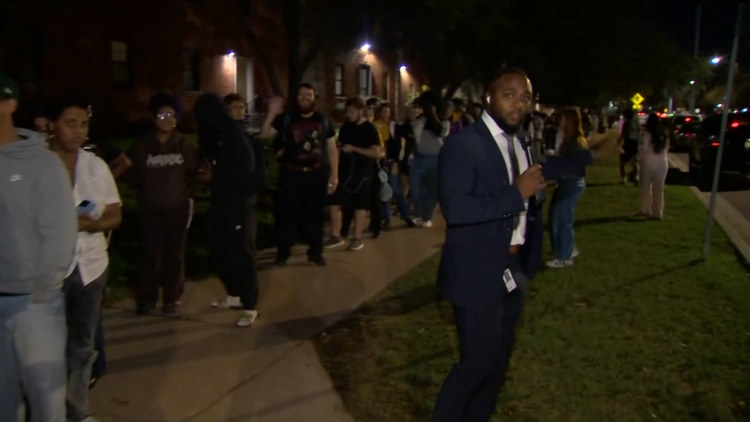
As the sun dipped below the horizon on a crisp November evening, a palpable energy coursed through the air at the University of North Texas. Students, wrapped in hoodies and clutching their phones, stood shoulder to shoulder, their faces illuminated by the glow of campaign signs. They were not merely waiting; they were participating in a rite of democracy, a moment that would shape their futures. Yet, as the clock ticked toward closing time, the lines grew longer, and the patience of the crowd was tested.
On Election Day, voters in Denton and Collin counties faced unexpected challenges as they arrived at polling places, only to find themselves confronted with waits exceeding 45 minutes. Footage from the University of North Texas captured the essence of this moment, showcasing massive lines snaking through the campus. Students, many voting for the first time, expressed a mix of excitement and frustration as they anticipated their turn to cast their votes.
The situation was not isolated to the university. Across Denton and Collin counties, polling locations experienced overwhelming turnout, leading to longer-than-expected wait times. This surge in voter participation reflects a broader trend seen in midterm elections, where engagement often spikes as citizens seek to influence the political landscape.
This midterm election was particularly significant, with key positions at stake, including local offices and state propositions that could directly impact the lives of residents. The stakes were high, and voters understood the importance of their participation. In Texas, where voter turnout has historically lagged behind the national average, the surge in engagement this election cycle was a hopeful sign of a shifting political landscape.
According to the Texas Secretary of State, the state saw a 20% increase in early voting compared to the previous midterm elections. This enthusiasm carried through to Election Day, where many voters were eager to make their voices heard. The lines at polling places were a testament to this newfound commitment among the electorate, especially among younger voters who are increasingly aware of the impact their votes can have on issues like education, healthcare, and climate change.
For students at the University of North Texas, the experience of voting was both exhilarating and daunting. Many expressed their desire to be part of the democratic process, yet the lengthy waits tested their resolve. “I didn’t think it would take this long,” said sophomore Sarah Martinez, who was voting for the first time. “But I know my vote matters, so I’m willing to wait.” Her sentiment echoed throughout the crowd, as fellow students shared stories of their motivations to vote, often citing issues that resonated deeply with their generation.
As the minutes turned into hours, the atmosphere remained charged with anticipation. Students exchanged stories, shared snacks, and even engaged in discussions about the candidates and propositions on the ballot. This communal experience, while frustrating, fostered a sense of unity among those waiting. It became clear that this moment was about more than just casting a ballot; it was about standing together for a shared future.
The long lines at polling places are indicative of a larger trend in Fort Worth and surrounding areas, where civic engagement has been on the rise. Local organizations, such as the Fort Worth Chamber of Commerce, have been working tirelessly to encourage voter participation and education. Their efforts have culminated in initiatives aimed at younger voters, recognizing the importance of their involvement in shaping the future of the community.
Moreover, the sheer volume of voters reflects a community that is deeply invested in its future. As families navigate the complexities of modern life, the act of voting becomes a powerful statement of commitment to the values they hold dear. In Fort Worth, where strong marriages and intact families are often celebrated, the push for civic engagement aligns with a broader desire for stability and community cohesion.
The impact of this election extends beyond just the immediate results. Local businesses also felt the ripple effects of increased voter turnout. Coffee shops and eateries near polling locations reported a surge in customers, with many voters choosing to grab a bite or a drink while they waited in line. “We’ve seen a lot more traffic today,” said Maria, a barista at a local café. “It’s great to see people so engaged, even if it means they’re waiting longer to vote.” This intertwining of civic duty and community support highlights the interconnectedness of local economies and democratic participation.
The long waits experienced on Election Day serve as a reminder of the importance of preparation and accessibility in the electoral process. As local officials and organizations analyze the turnout and challenges faced, there is hope for improvements in future elections. Enhanced communication about polling locations and wait times, along with increased resources at voting sites, could alleviate some of the frustrations encountered this year.
Moreover, the engagement seen in this election cycle bodes well for the future of democracy in the region. With a growing number of voters, particularly young people, stepping up to participate, there is a renewed sense of optimism about the direction of local governance. As communities continue to rally around the ideals of commitment and faith, the foundation for a brighter future is being laid, one vote at a time.
Local leaders have played a crucial role in fostering this environment of civic engagement. Community figures, including school board members, city council representatives, and local activists, have mobilized efforts to educate voters about the importance of their participation. “It’s about empowering people to understand that their voice matters,” said Councilwoman Lisa Johnson, who has been actively involved in voter outreach initiatives. “Every vote counts, and we want to make sure everyone feels they can contribute to the decision-making process.”
Such leadership is critical in a time when many young voters feel disillusioned with politics. By creating spaces for dialogue and providing resources, these leaders are helping to bridge the gap between voters and the political system. Their efforts not only encourage participation but also foster a sense of belonging within the community, reinforcing the idea that democracy is a collective endeavor.
The midterm election in Denton and Collin counties was marked by long lines and dedicated voters, each waiting to make their voices heard. As the community reflects on this experience, it becomes clear that the challenges faced were not in vain. The commitment to civic engagement, especially among young voters, signifies a turning point in the political landscape. The hope is that this momentum will carry forward, inspiring future generations to take part in the democratic process and champion the values that bind families and communities together.
By Laura Martinez

By Henry Lopez
By Henry Lopez

By Diana Reyes