
Government
Texas election results: Dallas voters weigh in on Prop A and a $443M bond for new police facilities
By Marcus Evans
Advertisement · Why this ad?
Henry is a local business reporter with a decade of experience covering small businesses and startups in Fort Worth. He graduated from Texas Tech University and previously worked at the Fort Worth Business Press, where he specialized in profiling entrepreneurs and exploring economic challenges faced by local businesses.
More from Henry →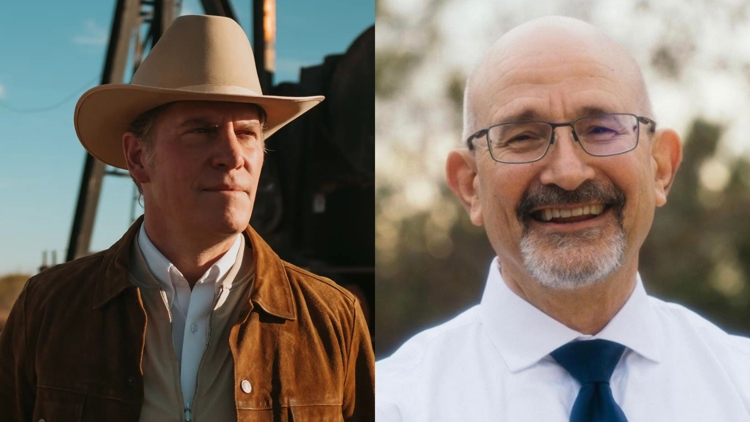
As the sun set over Fort Worth, the excitement in the air was palpable. Local residents gathered in homes and community centers, eagerly discussing the implications of the recent Texas election results. Among the most significant outcomes was the race for Texas Railroad Commissioner, a position that plays a crucial role in overseeing the state’s energy industry. With Bo French and Jon Rosenthal emerging as the key candidates, Texans are keenly aware of how this election could shape the future of energy regulation in the Lone Star State.
The Texas Railroad Commission, often misunderstood as a transportation agency, is actually the state’s primary regulatory body for the oil and gas industry. In the recent elections, Bo French, a Republican candidate with a background in the energy sector, faced off against Jon Rosenthal, a Democratic incumbent and advocate for more stringent environmental protections. The election results revealed a closely contested race, with both candidates presenting starkly different visions for the future of Texas energy.
French's campaign focused on promoting energy independence and reducing regulatory burdens on the industry, appealing to those who prioritize economic growth and job creation within the energy sector. In contrast, Rosenthal emphasized the importance of environmental sustainability and the need for the Railroad Commission to adapt to the changing energy landscape, especially as renewable energy sources gain traction.
According to the latest tallies, Bo French secured 52% of the vote, while Jon Rosenthal garnered 48%, indicating a divided electorate that reflects the broader national conversation about energy policy. This close result highlights the growing importance of energy regulation in Texas, a state known for its vast oil reserves and emerging renewable energy market.
The community's response to the election results has been mixed, with supporters of both candidates expressing their hopes and concerns for the future. Local business owners, particularly in the energy sector, viewed French's victory as a positive sign for economic growth. “We need someone who understands the industry and can help us thrive,” said Maria Gonzalez, owner of a Fort Worth-based drilling company. “Bo French has the experience to ensure that Texas remains a leader in energy production.”
On the other hand, environmental advocates expressed disappointment at Rosenthal's loss. “This is a setback for our efforts to push for cleaner energy solutions,” said David Lee, a member of the Fort Worth Environmental Coalition. “We were hoping for a commissioner who would prioritize the health of our communities over corporate interests.”
The divide in opinions among residents underscores the complexities of energy regulation in Texas. Many families are concerned about the long-term implications of energy policies on air and water quality, particularly in areas near drilling sites. “We want to support our local economy, but not at the expense of our children’s health,” remarked Laura Martinez, a mother of three living near a proposed drilling site.
This sentiment resonates with many voters who feel caught between economic needs and environmental responsibilities. As the community grapples with these issues, the new commissioner will need to find a balance that addresses both concerns.
The Texas Railroad Commission is pivotal in managing the state's oil and gas industry, overseeing everything from drilling permits to pipeline safety. Founded in 1891, the commission has evolved to meet the challenges of an ever-changing energy landscape. Today, it regulates not only traditional fossil fuels but also emerging renewable energy sectors.
With Texas leading the nation in wind energy production and making strides in solar energy, the commission's role has expanded significantly. The decisions made by the Railroad Commission can have far-reaching implications for energy prices, job creation, and environmental protection. As such, the election of a commissioner who aligns with the community's values is critical.
The responsibilities of the Texas Railroad Commission include ensuring compliance with safety regulations, protecting groundwater, and promoting fair competition in the energy market. Given the stakes involved, the recent election results have energized discussions about the direction of energy policy in Texas.
As Bo French prepares to take office, the focus will shift to how he plans to implement his vision for the Texas energy sector. French has indicated that his administration will prioritize reducing red tape for energy companies, promoting job growth, and fostering innovation in energy technology. However, he also faces pressure from environmental groups and concerned citizens who demand accountability and transparency in the commission's operations.
In the coming months, stakeholders from various sectors will be watching closely as French outlines his policies and initiatives. The commission will likely face challenges related to balancing economic growth with environmental stewardship. As Texas continues to navigate the complexities of energy regulation, the new commissioner will need to engage with community members to build trust and ensure that all voices are heard.
Community engagement will be crucial for the new administration. French will need to hold public forums and discussions to address the concerns of residents, particularly those living in areas affected by drilling and energy production. By fostering open communication, he can work towards finding common ground between industry needs and community health.
Additionally, as the energy landscape evolves, there may be opportunities for collaboration between traditional energy companies and renewable energy advocates. This could lead to innovative solutions that benefit both the economy and the environment, ultimately serving the best interests of Texas families.
For those looking to stay informed about the Texas Railroad Commission and its activities, several resources are available. The Texas Railroad Commission's official website offers updates on regulations, safety measures, and upcoming meetings. Residents can also access information about local energy initiatives through the City of Fort Worth's website.
Additionally, organizations such as the Texas Energy Coalition provide resources and advocacy for both energy producers and consumers. For those interested in environmental issues, the Sierra Club offers valuable insights into environmental protection efforts in Texas.
As the new commissioner takes office, community members are encouraged to engage with local representatives and participate in discussions about energy policy. By staying informed and involved, residents can ensure their voices are heard in shaping the future of Texas energy.
By Marcus Evans

By Tanya Nguyen

By Diana Reyes
By Laura Martinez