Government
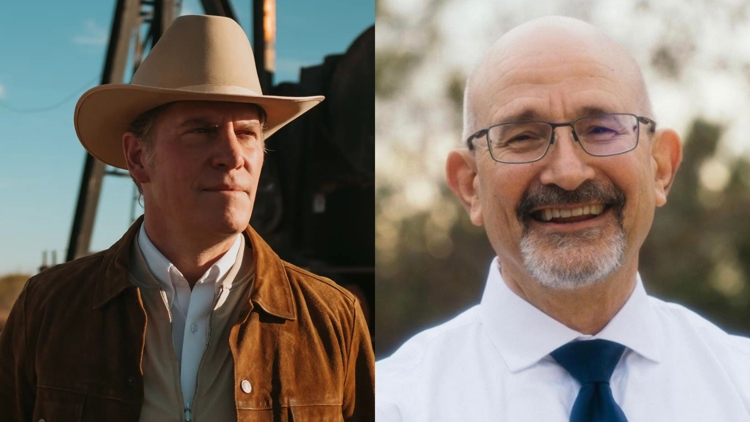
Texas election results: Bo French, Jon Rosenthal in the race for Texas Railroad Commissioner
By Henry Lopez
Advertisement · Why this ad?
Marcus is a veteran sports journalist with over 12 years of experience covering professional sports in Texas. He holds a journalism degree from the University of Houston and has previously worked at ESPN Radio and the Fort Worth Star-Telegram, where he covered the Dallas Cowboys and Texas Rangers extensively.
More from Marcus →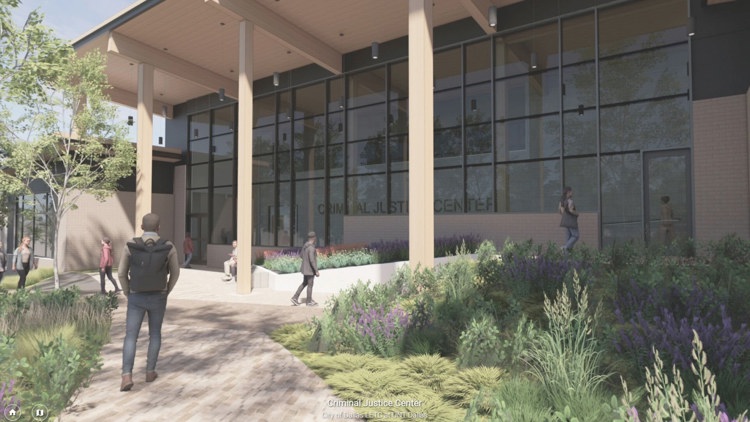
As the sun dipped below the Dallas skyline, casting a warm glow over the bustling streets, a palpable sense of anticipation filled the air. Voters were lining up outside polling stations, clutching their ballots tightly as they prepared to make their voices heard on crucial issues that could shape the future of their community. Among these issues was Proposition A, a measure that would allocate a staggering $443 million for new police facilities, including a police academy, a shooting range, and a vehicle test track. This was not just another election; it was a pivotal moment for Dallas voters, who had a lot at stake.
In the latest election, Dallas city officials presented Proposition A, a bond proposal aimed at enhancing the city's law enforcement capabilities. If passed, this measure would fund the construction of a state-of-the-art police academy, a modern shooting range, and a vehicle test track, all designed to better equip the Dallas Police Department (DPD) for the challenges of modern policing. The total cost? A jaw-dropping $443 million. Supporters argue that such facilities are essential for training and preparing officers to serve and protect the community effectively.
However, the proposal has not been without its critics. Many residents expressed concerns over the hefty price tag, questioning whether this investment was the best use of taxpayer dollars. In a city where the cost of living is already a concern for many families, the idea of approving another bond for police facilities sparked a heated debate among the electorate. Some voters felt that the funds could be better allocated to social programs, mental health services, or community policing initiatives.
As election day approached, the city council ramped up its campaign efforts, emphasizing the necessity of modernizing police training facilities. They highlighted the importance of ensuring that officers are well-prepared to handle the complexities of their roles, especially in the wake of recent national conversations about policing practices. With the backdrop of rising crime rates and public safety concerns, the pressure was on for voters to make a decision that could have lasting implications for their community.
The response from Dallas residents has been mixed, reflecting a community grappling with the balance between public safety and fiscal responsibility. Many supporters of Proposition A argue that investing in police facilities is crucial for maintaining a safe environment. "We need to ensure our officers have the best training possible to protect our neighborhoods," said local resident Maria Gonzalez, who was among the first to cast her vote. "This is an investment in our safety and our future."
On the flip side, critics like James Thompson, a longtime Dallas resident and community activist, voiced their apprehensions. "While I understand the need for police training, I believe we should prioritize community services that address the root causes of crime. We need more support for mental health and housing initiatives, not just more police facilities," he argued. This sentiment resonated with many voters who felt that the city's approach to public safety should encompass a broader range of solutions.
Social media has also played a significant role in shaping public opinion. Hashtags like #VoteNoOnPropA gained traction, with residents sharing their concerns and advocating for a more holistic approach to community safety. The discussions have often turned passionate, with both sides presenting their arguments in favor of their positions. Ultimately, the conversations around Proposition A have highlighted the deep divisions within the community regarding how best to achieve safety and security.
The proposed $443 million bond would be financed through property taxes, which has raised eyebrows among homeowners and renters alike. Dallas City Council member, Eric Johnson, emphasized that the bond would not only cover the construction costs but also ensure that the facilities are equipped with the latest technology and resources. "We owe it to our officers and our community to provide them with the best tools available," Johnson stated in a recent press conference.
However, the financial implications of such a large expenditure cannot be overlooked. Critics argue that the bond could lead to increased property taxes, putting additional strain on families already struggling to make ends meet. In a city where the cost of living continues to rise, many residents are wary of any measures that could further inflate their housing costs.
As the city council continues to advocate for Proposition A, they face the challenge of convincing voters that the benefits of investing in police facilities will outweigh the financial burden. The ongoing dialogue surrounding the proposal reflects a community that is not only concerned about public safety but also deeply invested in the economic well-being of its residents.
As ballots are counted and results begin to roll in, the future of Proposition A hangs in the balance. If approved, the bond could pave the way for a new era in policing in Dallas, equipping officers with the tools they need to serve their communities effectively. However, if voters reject the proposal, city officials will need to reassess their approach to public safety and consider alternative methods of funding police initiatives.
In the meantime, community leaders and residents alike are left to ponder the implications of their choices at the ballot box. Will they prioritize enhanced police facilities, or will they advocate for a more comprehensive approach to community safety? The outcome of this election will undoubtedly shape the future of Dallas, influencing not only law enforcement practices but also the relationship between the police and the communities they serve.
The debate surrounding Proposition A has also opened up broader discussions about public safety in Dallas. Local organizations, such as the Dallas Alliance for Public Safety, have been vocal about their concerns regarding funding priorities. They argue that while police facilities are important, investing in community resources could lead to more sustainable safety outcomes. "When we invest in education, mental health, and housing, we create a safer environment for everyone," said coalition member Linda Wright. This perspective is gaining traction among younger voters, who are increasingly advocating for reform in how public safety is approached.
Community engagement has been a critical component of the Proposition A debate. Town hall meetings and forums have provided platforms for residents to voice their opinions and ask questions of city officials. These gatherings have not only informed voters but also fostered a sense of community involvement in the decision-making process. Local leaders have emphasized the importance of transparency and dialogue, encouraging residents to remain active in discussions about public safety long after the election.
As the dust settles from this election, one thing is clear: the conversations sparked by Proposition A will continue, fostering a dialogue about the best path forward for Dallas. Whether through improved police facilities or a focus on community services, the residents of Dallas are committed to finding solutions that promote safety and unity.
By Henry Lopez

By Tanya Nguyen

By Diana Reyes
By Laura Martinez