Community
Texas election results: Mayes Middleton, Nathan Johnson vie for Texas Attorney General
By Diana Reyes
Advertisement · Why this ad?
Diana, a passionate young reporter, has been covering community activism for 4 years since graduating from Texas State University. She has a strong background in social issues and previously contributed to local online platforms that focused on cultural storytelling and grassroots reporting.
More from Diana →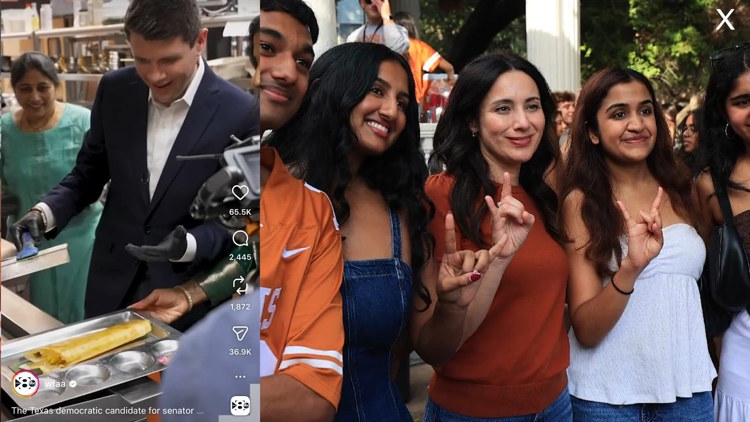
As the sun dipped below the horizon in Fort Worth, the vibrant colors of a bustling South Asian festival illuminated the night. Laughter and music filled the air as families gathered to celebrate their heritage, but beneath the surface of this joyful gathering, a palpable tension lingered. It was a moment that encapsulated the struggle and resilience of South Asian Texans, who are increasingly asserting their political presence in response to rising anti-immigrant sentiments.
The political landscape in Texas has seen a significant shift, particularly following the controversial remarks made by Bo French, a Republican candidate for the Texas House. His comments, perceived as anti-immigrant, sparked outrage within the South Asian community. This incident has galvanized many South Asians, who are now more determined than ever to make their voices heard in the political arena. The recent election of Texas's first Indian American House member, Nishad Singh, stands as a testament to this growing influence.
Singh's victory is not just a personal achievement; it symbolizes the collective strength of South Asian voters who are demanding representation and respect. The community, which has often been overlooked in Texas politics, is now stepping forward, motivated by a desire to counteract the negative narratives that have permeated public discourse. Singh's election is particularly significant in a state where the South Asian population has grown exponentially over the last decade, with Fort Worth emerging as a hub of cultural diversity.
The reaction to French's remarks was swift and fierce. Community leaders organized rallies and forums, where they shared personal stories of discrimination and resilience. Local organizations mobilized efforts to educate voters about the importance of participation in elections and the impact of their voices on policy decisions. It became clear that the South Asian community was no longer willing to remain silent in the face of hate.
For many, the comments from French were a stark reminder of the systemic challenges that immigrants face in Texas. “It’s not just about political rhetoric; it’s about our lives and our families,” said Local organizations, a community activist who has been at the forefront of these discussions. Her organization has been pivotal in mobilizing community members to speak out against discrimination and to engage politically.
At a recent town hall meeting, community members expressed their frustrations and hopes for the future. “We are not just immigrants; we are Texans,” said Ravi Patel, a local business owner. His words resonated with many in attendance, highlighting a shared commitment to building a future where all Texans can thrive, regardless of their background.
Another attendee, Maya Sharma, spoke passionately about the need for unity within the community. “We must stand together against hate and support candidates who reflect our values,” she urged, emphasizing the importance of voting in upcoming elections. The energy in the room was palpable, a blend of hope and determination that signaled a turning point for many.
As the discussions unfolded, it became clear that the South Asian community in Texas is not a monolith. The diversity within the community—spanning various ethnicities, languages, and experiences—adds layers to their collective identity. Leaders like Local organizations, a local educator, emphasized the importance of inclusivity: “We need to ensure that every voice is heard, from the young student to the seasoned professional.”
With the momentum generated by these events, South Asian Texans are looking ahead to the next election cycle with renewed vigor. The community is actively working to identify and support candidates who prioritize inclusivity and equity. Organizations like Apna Ghar are providing resources and training for potential candidates, ensuring that the voices of South Asians are represented at all levels of government.
Moreover, the community is fostering connections with other marginalized groups, recognizing that solidarity is essential in the fight against discrimination. As they build coalitions, South Asian Texans are creating a more inclusive political landscape that reflects the diversity of their experiences. Collaborative events with Latino and Black communities have begun to take shape, showcasing the power of intersectionality in advocacy.
In addition, local leaders are strategizing ways to increase voter registration within the South Asian community. Initiatives aimed at simplifying the registration process and educating community members about their rights are underway. “We want to make sure that everyone knows how to participate in our democracy,” said Local organizations, a volunteer with a grassroots organization focused on civic engagement.
Education plays a crucial role in this empowerment movement. Community leaders are organizing workshops to educate South Asians about the political process, voter registration, and the importance of civic engagement. By equipping individuals with the knowledge they need, they are fostering a sense of agency that extends beyond the ballot box.
As these initiatives gain traction, it is clear that the South Asian community is not just reacting to hate; they are actively shaping the narrative. Their stories of resilience and commitment to family values are becoming central to the broader conversation about what it means to be a Texan. This educational push is also aimed at younger generations, ensuring that the youth are not only informed but also inspired to take on leadership roles in their communities.
Local schools are beginning to incorporate discussions about civic responsibility and the importance of diversity in their curricula, fostering a sense of belonging and empowerment among South Asian students. “It’s vital that our children grow up understanding their rights and the power they hold,” said Maya Sharma, a professor at a local university, who has been instrumental in bridging educational initiatives with community activism.
The rising political engagement of South Asian Texans is a powerful reminder of the importance of representation in democracy. As they push back against anti-immigrant rhetoric and strive for a more inclusive future, they embody the essence of the American dream — a dream built on hard work, commitment to family, and the belief that every voice matters. The journey ahead may be challenging, but with each step, they are forging a path that honors their heritage while embracing their identity as proud Texans. As the community continues to mobilize, it is clear that they are not just participants in the political process; they are shaping the very fabric of Texas politics.
By Diana Reyes

By Laura Martinez

By Diana Reyes

By Diana Reyes