
Community
He was found wearing a belt with the initials 'RB' in Humble in 1987. Who was he?
By Laura Martinez
Advertisement · Why this ad?
Laura has over 15 years of experience in local journalism, with a focus on community issues and grassroots movements. She graduated from the University of Texas at Arlington and previously worked at the Fort Worth Star-Telegram, where she led significant stories on community development and social justice. Laura is deeply rooted in Fort Worth and is known for her ability to connect with residents and amplify their voices.
More from Laura →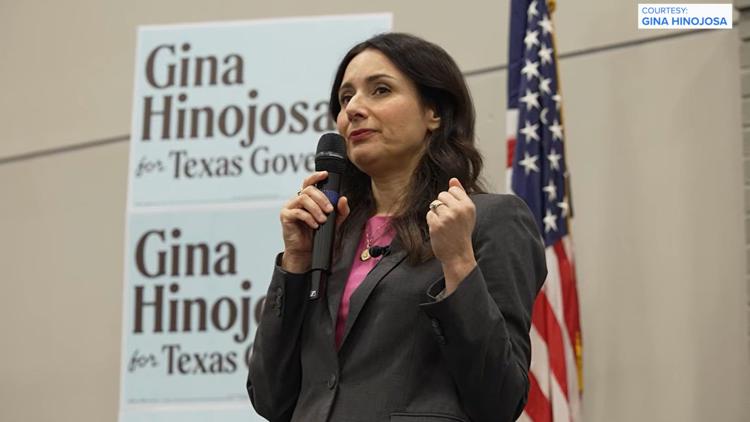
As the sun began to set over Fort Worth, casting a warm golden hue over the city, a palpable excitement filled the air. Families gathered in their living rooms, discussing the potential of receiving $1,500 from the state. For many, this isn't just a number; it's a lifeline. It's the promise of helping families make ends meet, pay for school supplies, or even save for a family vacation. But as with all promises in politics, the road to this financial boon is filled with questions and uncertainties.
Recently, Texas Governor-elect Gina Hinojosa proposed a bold plan to utilize $17 billion from the state's rainy-day fund to provide direct payments of $1,500 to Texans. This proposal has sparked conversations across the Lone Star State, particularly in Fort Worth, where many families are feeling the pinch of rising costs and inflation. However, while the idea has garnered significant attention, there are many hurdles to clear before any money changes hands.
The rainy-day fund, officially known as the Economic Stabilization Fund, was established to provide financial relief during economic downturns. Governor Hinojosa's intention to tap into this fund for direct payments is unprecedented and reflects a growing recognition of the financial strain many Texans are experiencing. The proposal, however, is still in its infancy, with no clear timeline for when or if payments will be distributed.
As discussions around the proposal continue, many are left wondering about the specifics. What criteria will determine eligibility? When can families expect to see these funds? And most importantly, what must happen for this plan to become a reality?
The response from the Fort Worth community has been a mix of hope and skepticism. Many residents, like Maria Sanchez, a single mother of three, expressed optimism about the potential relief the payments could bring. “It would mean so much for families like mine,” she said. “With prices going up everywhere, every little bit helps. I could pay for my kids’ school supplies or even catch up on some bills.”
Conversely, others are more cautious, understanding the complexities involved in such a large financial undertaking. Local business owner James Thompson noted, “While I think it’s a great idea in theory, I worry about how it will be funded and what the long-term implications might be. We need to ensure that we’re not just kicking the can down the road.”
Community leaders have also weighed in on the proposal. Fort Worth City Council member, Dr. Emily Rodriguez, stated, “This initiative could be a game-changer for many families. However, we need transparency and careful planning to ensure that it’s executed effectively.”
As the community grapples with the potential impact of this proposal, it’s clear that the conversation is just beginning. Residents are eager to see how their voices can influence this important decision that could significantly affect their lives.
For the payment plan to materialize, several key steps must be taken. First and foremost, the Texas Legislature will need to approve the use of the rainy-day fund for this purpose. This requires a majority vote and will likely involve extensive debates and discussions on the floor. Given the current political climate, navigating this process could be challenging.
Additionally, there needs to be a clear framework outlining how the payments will be distributed. Will they be automatic for all Texans, or will there be income thresholds? These details will be crucial in determining who benefits from the initiative and how quickly funds can be released.
The legislative session is set to begin in January 2024, and many are hopeful that discussions around this proposal will take center stage. Governor Hinojosa has expressed her commitment to advocating for the plan, emphasizing the urgent need for financial relief in the wake of economic challenges.
Moreover, the governor-elect has indicated a desire to engage with community members throughout the process. Town hall meetings and public forums could become essential venues for residents to voice their opinions and ask questions about the proposal.
The potential impact of this payment plan extends far beyond mere financial assistance. For many families in Fort Worth, the prospect of receiving $1,500 could mean the difference between stability and struggle. It could empower parents to invest in their children's education, provide for essential needs, and foster a sense of security during uncertain times.
Local nonprofits, such as the Fort Worth Chamber of Commerce, have already begun to discuss how they can support families during this period of uncertainty. They recognize that financial relief can lead to increased spending in local businesses, ultimately benefiting the entire community.
Furthermore, the emotional and psychological benefits of receiving such payments should not be overlooked. Knowing that help is on the way can alleviate stress and foster a sense of hope among families who are struggling. As we navigate these challenging times, it’s crucial to remember that community support and resilience are what truly matter.
As discussions surrounding the payment plan unfold, families in Fort Worth can access various resources to help them navigate their financial situations. Organizations like the Texas Department of Housing and Community Affairs provide assistance programs aimed at helping families with rent, utilities, and other essential needs.
Additionally, the United Way of Tarrant County offers resources for families facing financial hardships, including financial counseling and access to emergency funds. These organizations play a vital role in supporting families as they wait for potential relief from the state.
Community members are encouraged to stay informed about the progress of the payment plan and to participate in local discussions. Engaging with local leaders and expressing concerns or suggestions can help shape the outcome of this proposal.
As we look ahead to the coming months, the potential for direct payments to Texans remains a topic of great interest and debate. Families in Fort Worth are hopeful for a brighter future, one where financial struggles can be eased by the support of their state government. However, the path to achieving this goal will require collaboration, transparency, and a deep commitment to serving the needs of the community.
Governor Hinojosa's proposal is a reflection of the changing landscape in Texas, where the needs of families are increasingly at the forefront of political discussions. As residents of Fort Worth watch closely, they hold onto the hope that their voices will be heard and that meaningful change is on the horizon.
In the spirit of community and resilience, let us continue to support one another and advocate for the resources that families need to thrive. Together, we can work towards a future where every Texan has the opportunity to achieve their dreams and build a stable, loving household.
By Laura Martinez
By Laura Martinez

By Diana Reyes

By Laura Martinez