
Community
North Texas man dead following auto-bicyclist accident, police say
By Laura Martinez
Advertisement · Why this ad?
Laura has over 15 years of experience in local journalism, with a focus on community issues and grassroots movements. She graduated from the University of Texas at Arlington and previously worked at the Fort Worth Star-Telegram, where she led significant stories on community development and social justice. Laura is deeply rooted in Fort Worth and is known for her ability to connect with residents and amplify their voices.
More from Laura →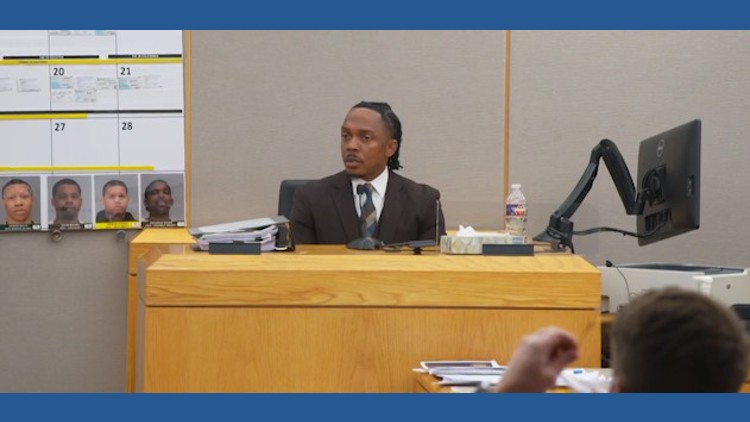
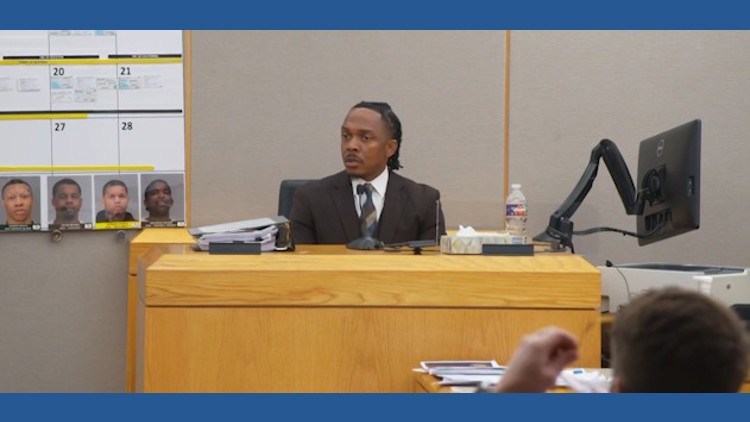
On a chilly November morning in 2020, the news broke like a thunderclap across the Dallas-Fort Worth area: the beloved rapper Mo3 had been shot and killed in a brazen daylight attack. For many, it was more than just a headline; it was the loss of a vibrant voice in the community, a man whose lyrics resonated with the struggles and triumphs of life in the inner city. As the details of his murder unfolded, a dedicated team of detectives began the painstaking work of piecing together the events surrounding that fateful day. This week, one of those detectives took the stand to recount not only the moment he learned of Mo3's death but also the extensive investigation that followed.
On the morning of November 11, 2020, Dallas Police Department Detective John Smith was called to the scene of a shooting on the busy streets of Dallas. It was a moment that would change the course of his career. As he arrived, he was met with chaos: emergency vehicles, flashing lights, and the palpable tension of a community in shock. Mo3, whose real name was Melvin Noble, had been shot multiple times while driving on the freeway. He was pronounced dead soon after at a nearby hospital.
The detective recalled the immediate aftermath of the shooting, where the loss of a local icon sent shockwaves through the community. “I remember thinking about how much he meant to so many people,” Smith testified. “It wasn’t just about the music; it was about the message he shared and the life he lived.” The investigation quickly escalated, with detectives piecing together evidence from the scene, interviewing witnesses, and reviewing surveillance footage.
As the investigation progressed, it became clear that Mo3's murder was not a random act of violence. Detective Smith shared details about the ongoing feud between rival gangs that had been escalating in the area, raising concerns about the safety of the community. He emphasized the importance of addressing the root causes of violence, noting that the loss of lives like Mo3's only perpetuates a cycle of grief and anger.
The response from the community was immediate and profound. Fans gathered outside the hospital where Mo3 was taken, lighting candles and sharing memories of the artist who had touched their lives. Social media erupted with tributes, highlighting the impact Mo3 had on the music scene and the lives of his fans. For many, he was a beacon of hope, a symbol of resilience in the face of adversity.
Local artists and musicians organized a vigil to honor Mo3's legacy, filling the streets with music and messages of love. “He was more than just a rapper; he was our voice,” shared fellow artist J. Cole during a tribute concert. “His music spoke to the struggles we all face, and we need to keep that spirit alive.” The outpouring of love and support from the community served as a reminder of how interconnected lives can be, especially in times of tragedy.
Additionally, community leaders and activists took to the streets, urging for peace and reflection. Local organizations, such as the Dallas Arts District and the Fort Worth Cultural District, began to collaborate on initiatives aimed at promoting healing through art and music. Workshops and open mic nights were organized to give young artists a platform to express their emotions and experiences, channeling their grief into creativity.
As the trial progresses, the community remains on edge, hoping for justice not only for Mo3 but also for the countless others affected by violence in the area. Residents have expressed a desire for change, advocating for programs that address gang violence and provide support for at-risk youth. The tragic loss of Mo3 has ignited a conversation about the importance of community unity and the need for effective solutions to combat the root causes of violence.
As the trial unfolds, the focus remains on seeking justice for Mo3 and holding those responsible accountable for their actions. Detective Smith’s testimony sheds light on the investigation's complexity and the challenges faced by law enforcement in addressing gang-related violence. The detective emphasized the importance of community cooperation in solving these cases, stating, “We need the community to speak up. Silence only allows violence to thrive.”
The trial has drawn significant media attention, with many local news outlets covering the proceedings closely. For the families affected by this tragedy, the hope is that justice will bring some measure of peace and closure. As they sit in the courtroom, they carry the weight of their loss, a reminder of the fragility of life and the importance of cherishing each moment.
Moreover, community members have begun to organize forums and discussions focused on public safety and violence prevention. These gatherings aim to empower residents to take an active role in fostering a safer environment. Local leaders, including city council members and representatives from the Dallas Police Department, have participated in these discussions, emphasizing the need for collaboration between law enforcement and the community.
Looking ahead, the community is eager for change. Local leaders are coming together to discuss strategies for preventing violence and fostering a safer environment for families. Initiatives aimed at providing mentorship programs for youth and creating safe spaces for artistic expression are gaining traction. The hope is that by addressing the underlying issues, future tragedies can be avoided.
Detective Smith’s testimony may serve as a catalyst for these discussions, prompting community members to engage in meaningful dialogue about the challenges they face. “We all have a role to play in making our neighborhoods safer,” he stated. “It starts with us.”
As the trial continues, the community remains united in their quest for justice and healing. The legacy of Mo3 lives on through his music and the impact he had on those around him. It is a poignant reminder that while violence may take lives, it cannot extinguish the hope and resilience of a community committed to change.
In the coming months, as the trial reaches its conclusion, community leaders plan to host a series of events aimed at honoring Mo3 and his contributions to the music industry. These events will focus on celebrating his life and the positive messages he conveyed through his art. By fostering a spirit of unity and collaboration, the community hopes to transform the tragedy of Mo3’s death into a movement for change, ensuring that his legacy endures and inspires future generations.
By Laura Martinez

By Diana Reyes
By Diana Reyes
By Diana Reyes